
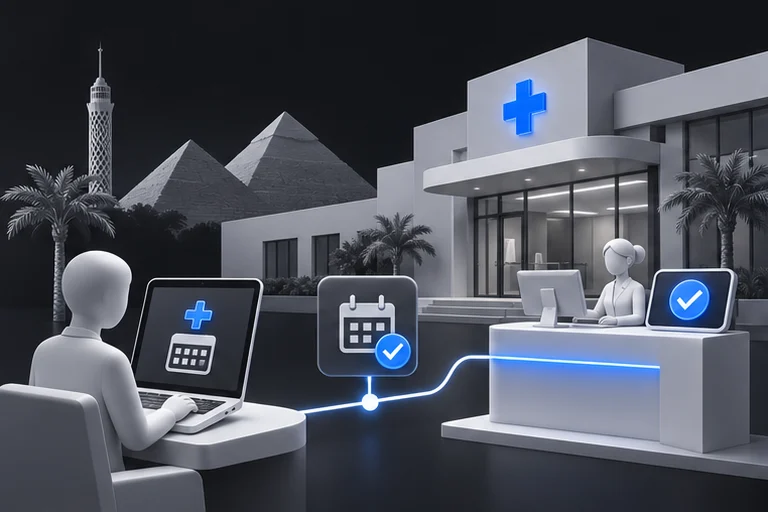
Patient portal development in Egypt often starts with appointment booking. Even this narrow task affects scheduling, reception and patient support. Define who can book, which slots can be offered and when a request becomes a confirmed appointment.
Set the scope for patient portal development
Map the handoff from patient to reception and then to the schedule. Identify the system that owns available slots, test duplicate requests and document how staff cancel or change a confirmed booking. Include an Arabic flow and check the confirmation message on a small screen. For a family using a shared phone, test whether the message reveals information it does not need to.
Treat access as a product decision
Design roles for patients, authorized delegates and staff. If the portal displays documents, decide who releases them and which access events are logged. Review retention, consent and hosting decisions with the organization’s privacy and clinical owners before collecting live data. Test using synthetic records.
Anonymized scenario: two outpatient branches
A hypothetical Egyptian provider pilots appointment requests for one specialty. The reception team can reject a request with an actionable reason and offer another slot. Reports and clinical documents stay outside the pilot while the provider verifies identity and release workflows.
FAQ
Can a portal launch with appointment requests only?
Yes. Set the response expectation, confirmation process and escalation route before inviting patients.
What metrics show that it helps?
Track confirmed bookings, time to confirmation, duplicate requests, missed appointments and staff follow-up calls.
Design one patient journey
Bring Code Tank a sanitized appointment flow and the role map for the staff who handle it.